
Among the many innovators nurtured by TOCIC-SPMVV, some have made remarkable contributions with far-reaching impact. Breakthrough technologies like eco-friendly nematicides, and biowaste conversion methods are advancing sustainable practices in agriculture and clean energy. In the healthcare sector, innovations such as non-invasive glucometers and low-cost paper-based HPV detection tools are revolutionizing diagnostics by making them more accessible and affordable. Collectively, these innovations are transforming communities empowering rural populations, preserving traditional skills, and enhancing public health and well-being.
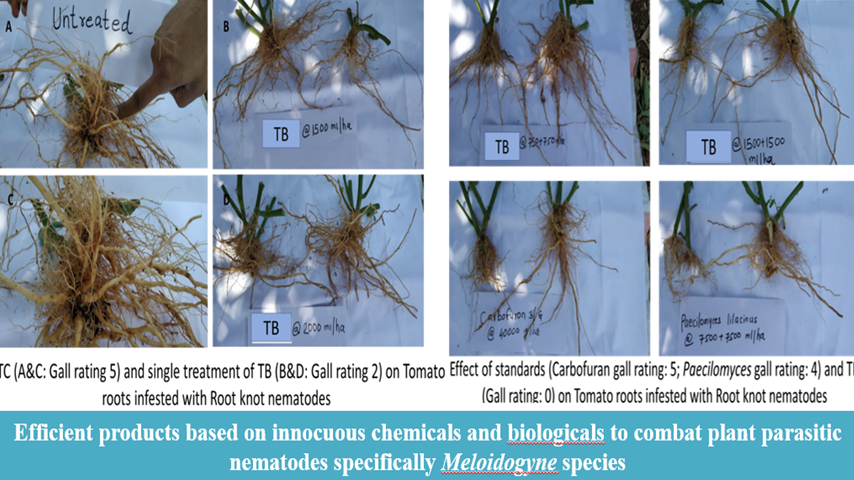
Dr. Venu Polineni has tackled a pressing issue in agriculture root-knot nematodes, specifically Meloidogyne incognita, which cause severe damage to crops. His innovation introduces efficient and eco-friendly nematicidal products composed of innocuous chemicals and biologicals. These novel formulations offer sustainable and effective pest control, reducing dependency on harmful synthetic chemicals and improving soil health, crop productivity, and environmental safety.
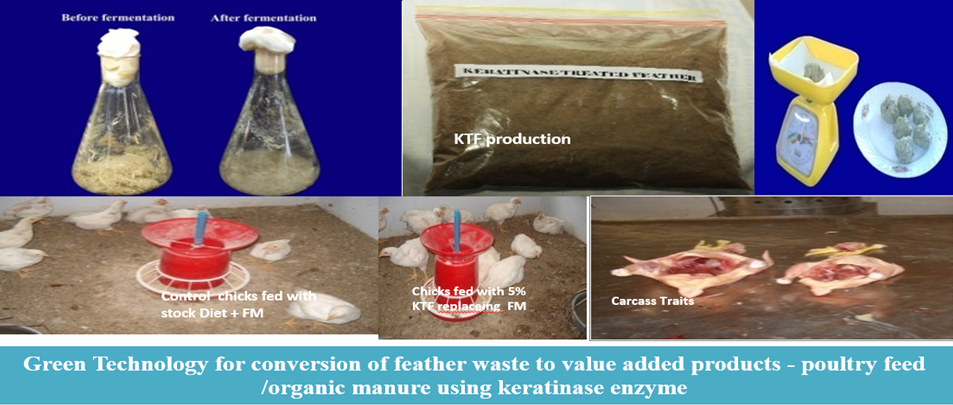
Prof. V.V.Lakshmi’s work addresses the massive volume of poultry feather waste by converting it into high-nutritive poultry feed and compost through enzymatic treatment. Using keratinase enzymes, the innovation not only minimizes environmental waste but also creates a circular economy within poultry farming. This green technology significantly benefits both the environment and the farming community by adding value to what was once discarded.
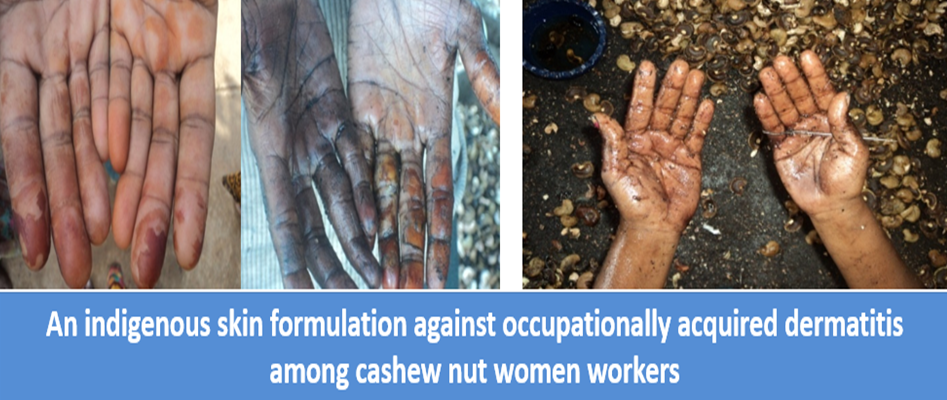
A public health innovator, addressed a critical occupational hazard faced by women working in cashew nut processing units. These women often suffer from skin burns and irritation caused by toxic cashew shell oil. He developed a herbal skin protection cream formulated with natural plant-based ingredients to protect the skin from such injuries. With TOCIC’s support, he tested the cream for safety and effectiveness, refined the formulation, and facilitated its distribution among workers. This socially driven innovation significantly improved workplace safety and well-being, especially for women, and became a model for health-focused product development rooted in community needs
Dr. Tunga’s innovation, SUGAM, is a pain-free, affordable, and self-use glucometer that measures glucose levels from saliva instead of blood. This device, leveraging nanotechnology, aims to improve diabetes management, especially among children and the elderly, by offering a stress-free and accessible testing method. It promises to lower long-term healthcare costs while boosting compliance.
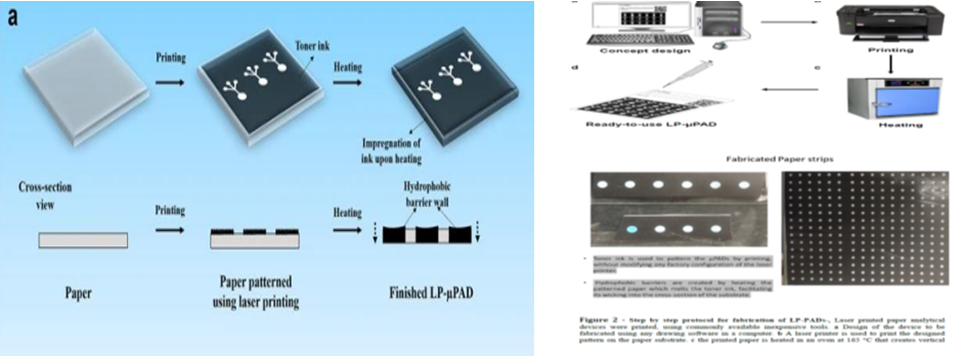
Dr. Duggirala developed a paper-based microfluidic chip that detects high-risk HPV during cervical cancer screening. The innovation combines LAMP-PCR and μ-PAD (micro paper analytical device) technology for a cost-effective, fast, and equipment-light diagnostic solution. This device is especially valuable in resource-poor settings and can help significantly improve early detection and women’s health outcomes.
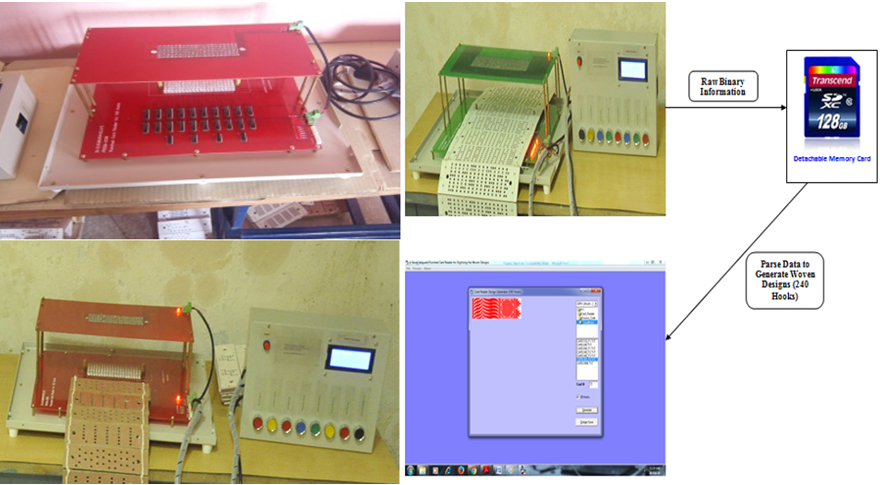
Mr. Kumar Velu, an innovator from TOCIC-SPMVV, Tirupati, developed an advanced Jacquard Punched Card Reader to digitize traditional woven textile designs. His device can read design patterns from old punched cards (like 120 Hooks and 240 Hooks) and even adjust them into different formats (like 20 or 6 Hooks for 120, and 30 or 8 Hooks for 240).The design data is saved on the computer using the FAT file system, which makes it easy to use. The system then creates image files in common formats like .BMP, .JPG, and .GIF, so the designs can be edited using regular image software. This innovation plays a vital role in the preservation, digital archiving, and modernization of traditional textile art, helping bridge the gap between heritage craftsmanship and contemporary digital tools